The Sugar You'll Find in a Japanese Kitchen
 Keiko
KeikoIf you ask most people around the world what sugar they reach for at home, the answer is usually granulated sugar. But here in Japan, that's actually not the case. The sugar you'll find in nearly every Japanese kitchen is something called jōhakutō (上白糖), and there are quite a few other types too. Let me walk you through the sugars used here.
- Sugar Varieties Around the World
- Sugars Commonly Used in Japanese Home Cooking
- Granulated Sugar vs. Jōhakutō — How Japan Uses Each One
Sugar Varieties Around the World
Before we get to Japan specifically, here's a quick look at how different cultures sweeten their food.
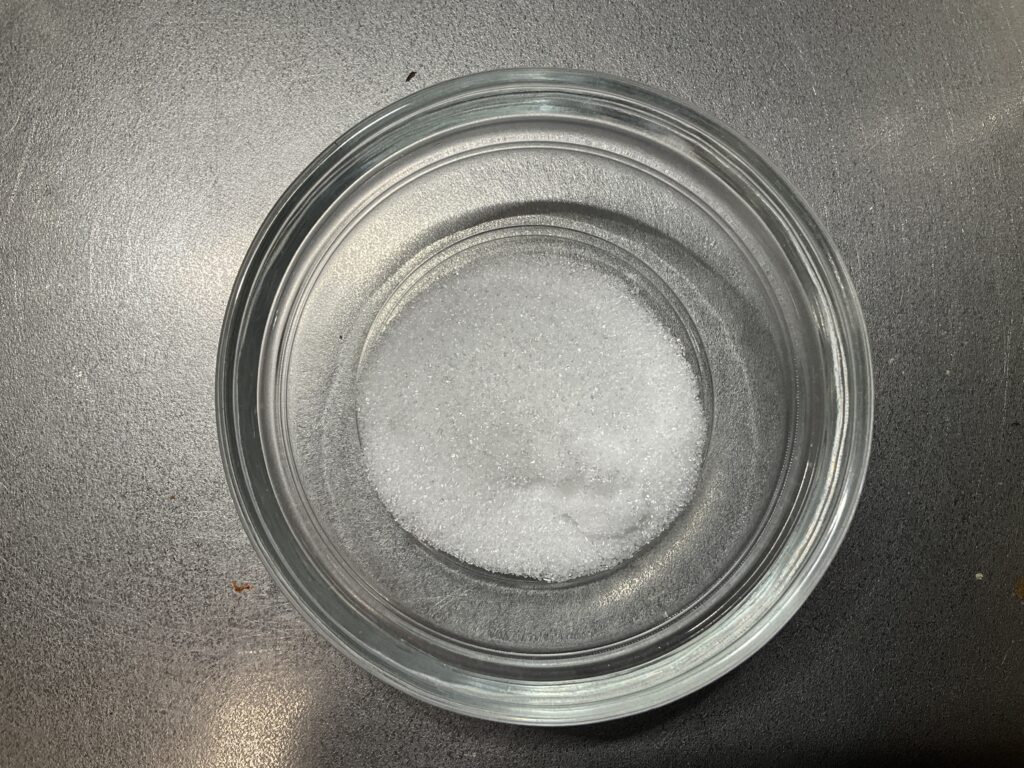
Granulated sugar
Granulated sugar is the most widely used sugar in the world. It has a clean, neutral sweetness and dissolves easily. It's made from sugarcane or sugar beet, with the raw juice extracted, impurities removed, and the syrup and crystals separated repeatedly until you're left with highly purified crystals. Because it has low moisture content and resists clumping, it's easy to store and transport — which is a big part of why it's spread so widely around the globe.
Palm sugar and coconut sugar
Palm sugar and coconut sugar are staples across Southeast Asia — Thailand, Indonesia, Malaysia, and similar regions. Even though granulated sugar is common there too, these traditional sugars remain essential in local cooking. Sugar made from palm trees in general is called palm sugar, while sugar specifically made from coconut palm sap or flower nectar is called coconut sugar.
Jaggery
Jaggery is widely used in India. It's made by simply boiling down sugarcane juice and letting it solidify — completely unrefined. It's rich in minerals and plays a central role in everyday life, from sweetening chai to baking traditional sweets.
Yellow rock sugar (黄氷糖 / huang bing tang)
Yellow rock sugar (黄氷糖 / huang bing tang) is a Chinese variety of rock sugar, quite different from the Japanese version. Traditional Chinese rock sugar is often sold in large, craggy, almost stone-like chunks that need to be broken apart with a hammer or the back of a knife before use. Unlike Japan's highly refined rock sugar, this style keeps more of sugarcane's natural minerals and flavour. It's an essential ingredient in dishes like braised pork belly, giving that signature glossy, deep richness — and it's also commonly stirred into tea.
Sugars Commonly Used in Japanese Home Cooking
Now let's get into the sugars you'll actually find in a Japanese pantry.
Jōhakutō (上白糖)
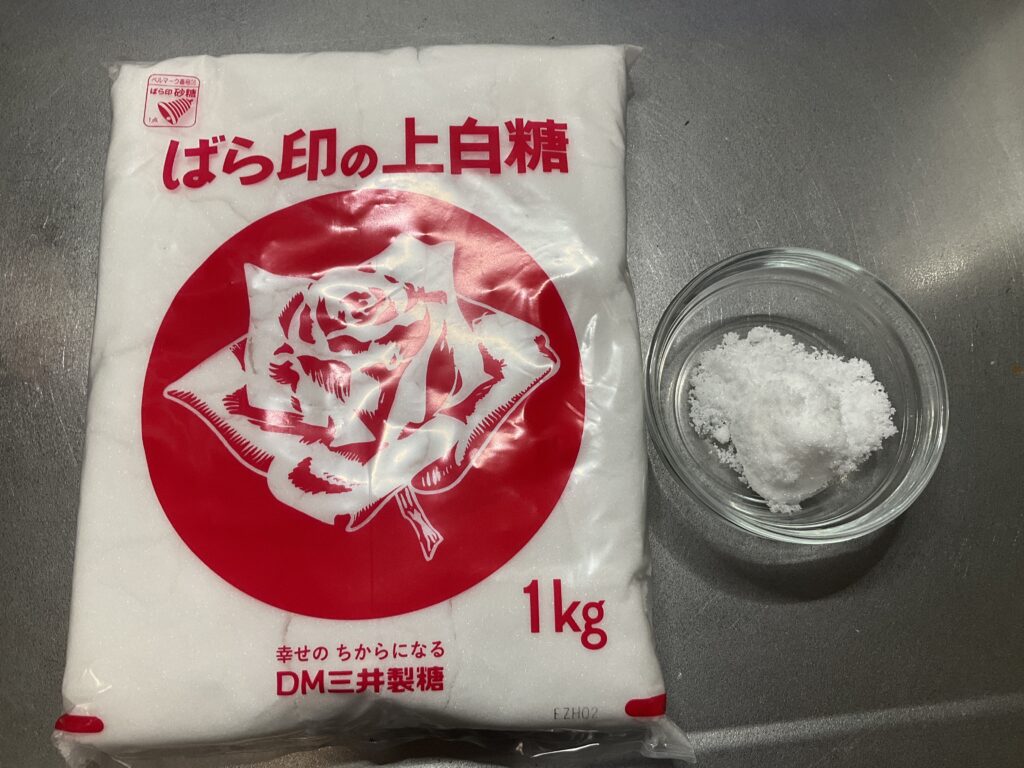
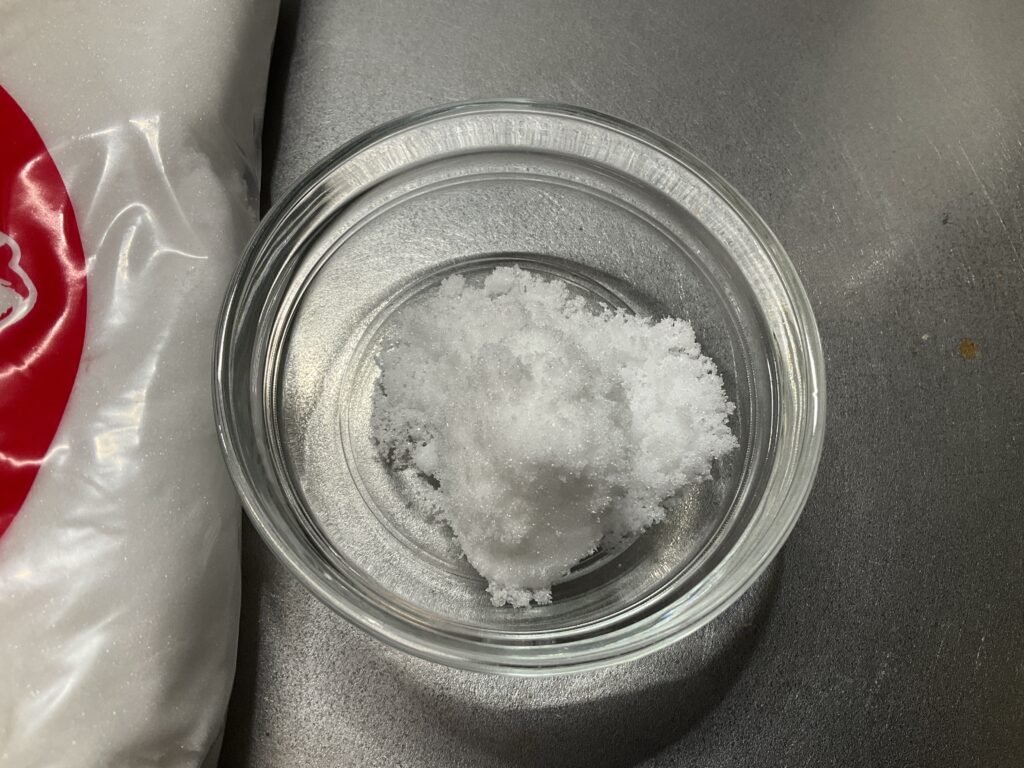
Jōhakutō (上白糖) is, by far, the most widely produced sugar in Japan. It became the standard because it gives food the moist texture and glossy sheen that's so prized in Japanese cooking. It starts as crystals just as pure as granulated sugar, but a syrup made of glucose and fructose is coated onto the crystals to prevent them from re-crystallising, which gives it that smooth, almost sticky texture.
Sanonto (三温糖)
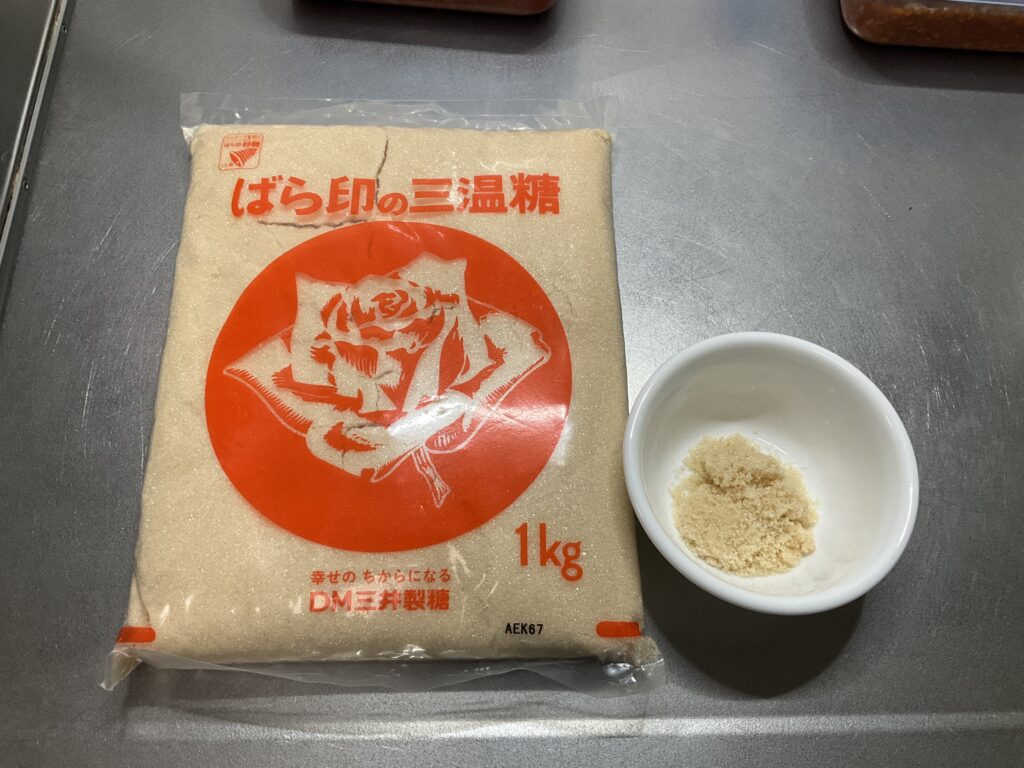
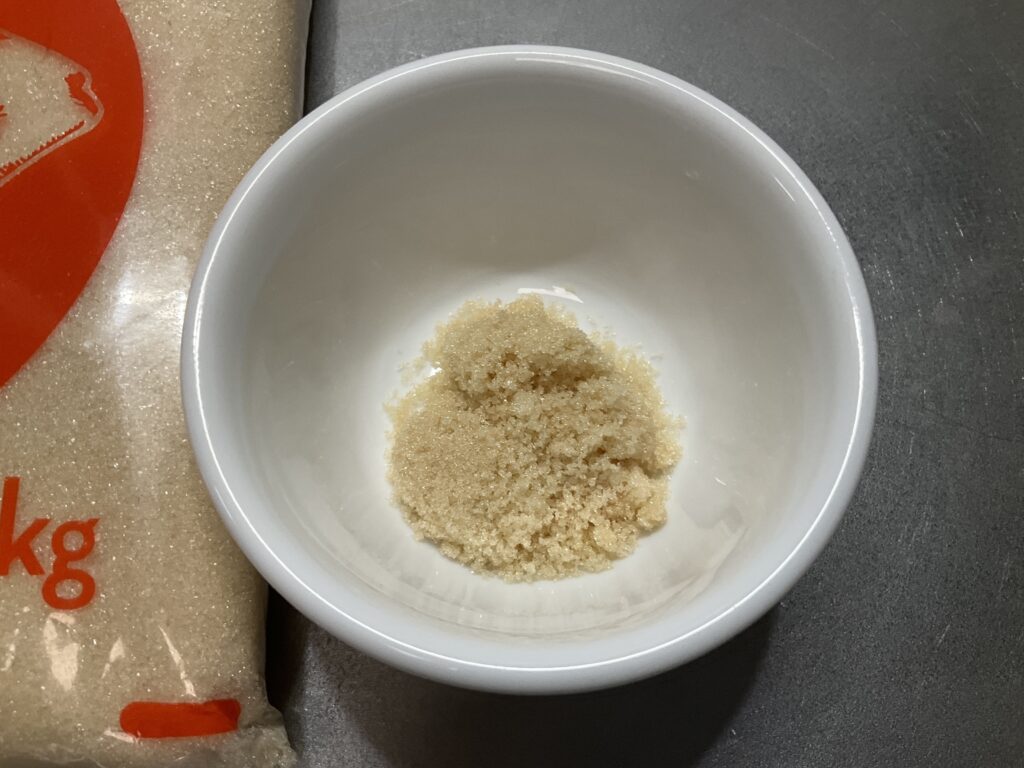
Sanonto (三温糖) is made from the syrup left over after extracting the crystals for jōhakutō or granulated sugar — it's boiled down further until it takes on a caramel-like golden brown colour. Interestingly, it's actually about the same level of refinement as white sugar. Its distinctive depth of flavour makes it ideal for simmered dishes (nimono) and tsukudani (soy-simmered preserves).
Kurozato (黒糖)
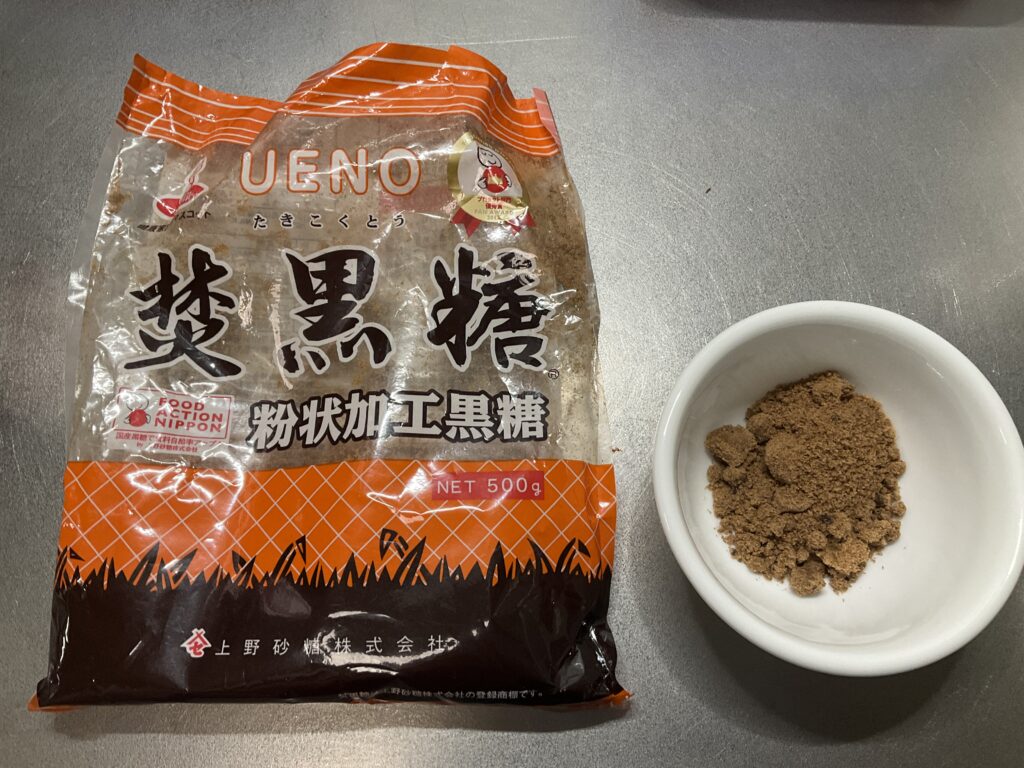
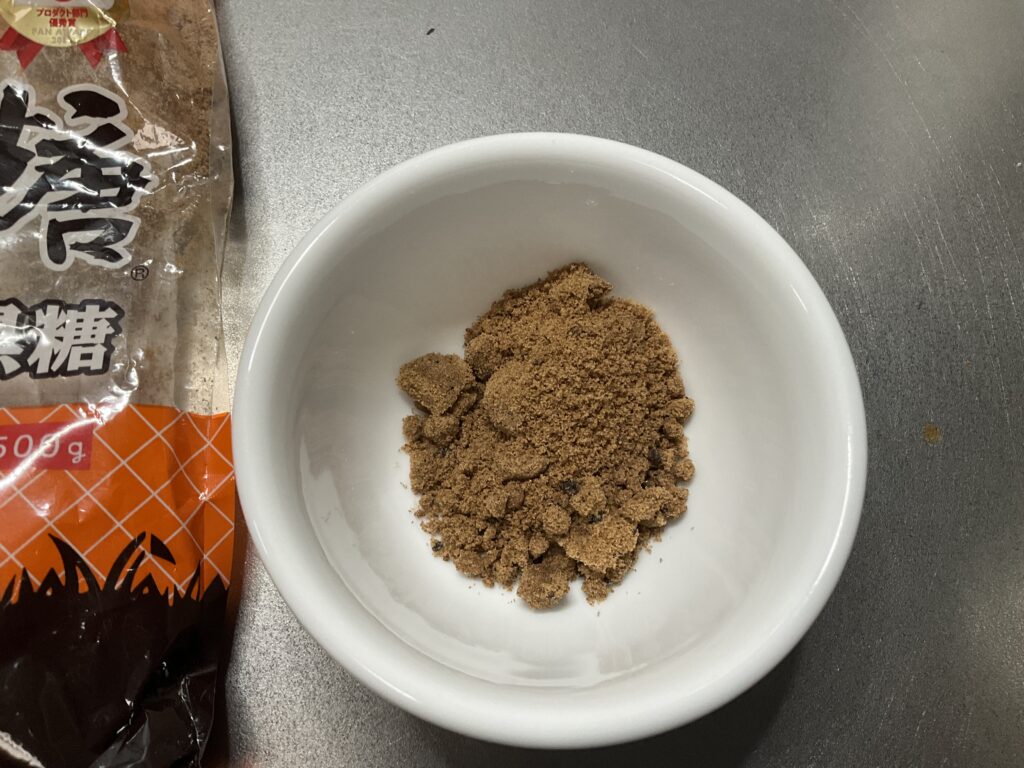
Kurozato (黒糖, also called brown sugar in Japan) is made by boiling sugarcane juice with no refining at all. It has the highest mineral content of the bunch, along with a strong, distinctive flavour and a touch of bitterness — and since it comes in solid chunks, it really changes the character of a dish. You'll often find it used in karinto (fried sugar-coated snacks) and other traditional Japanese sweets.
Kibizato (きび砂糖)
Kibizato (きび砂糖) is a light brown sugar that deliberately retains more of sugarcane's natural flavour and minerals. It's milder than kurozato but keeps more mineral content than sanonto — a nice middle ground between white and brown sugar, and easy to use in everyday cooking.
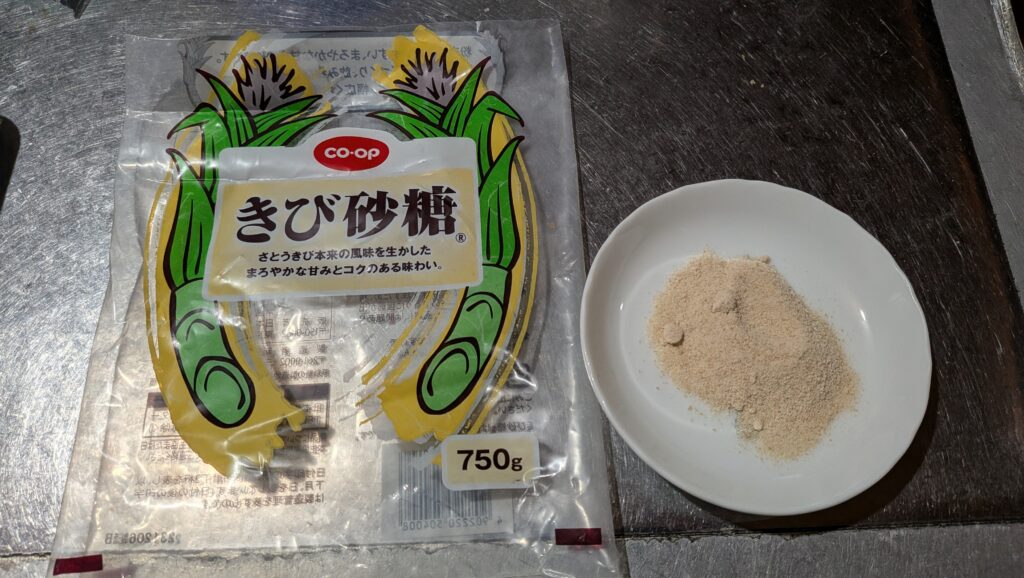
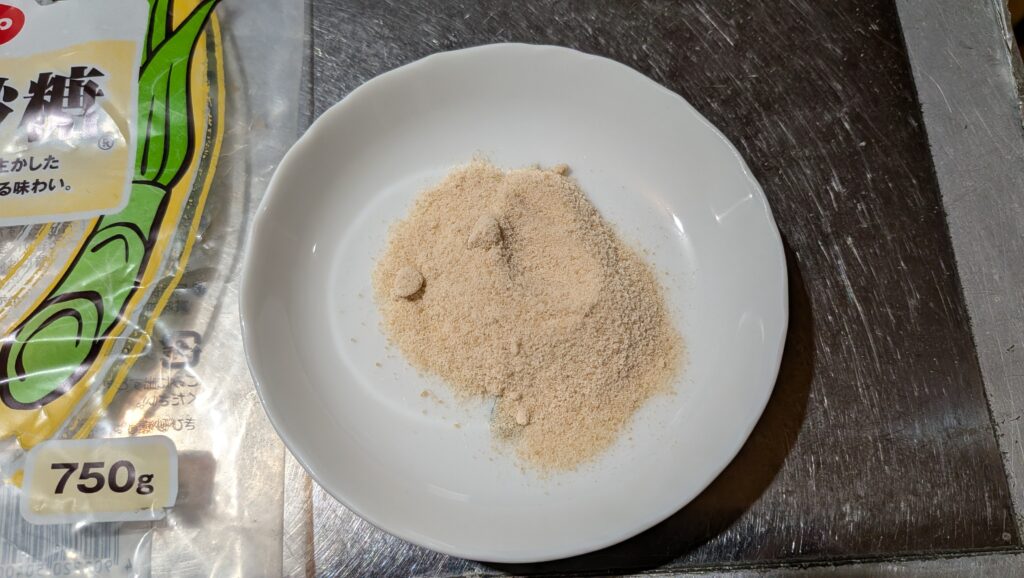
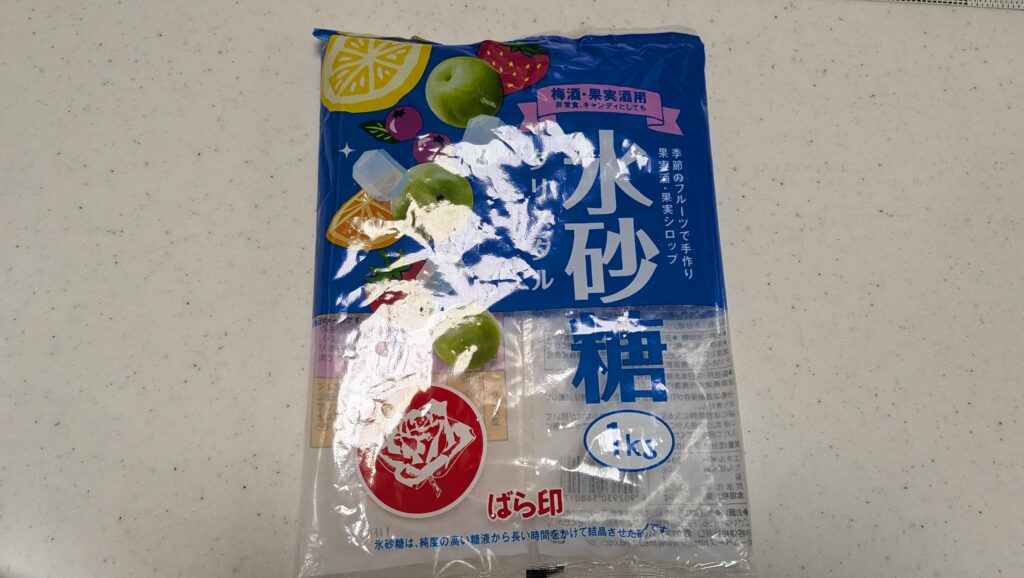
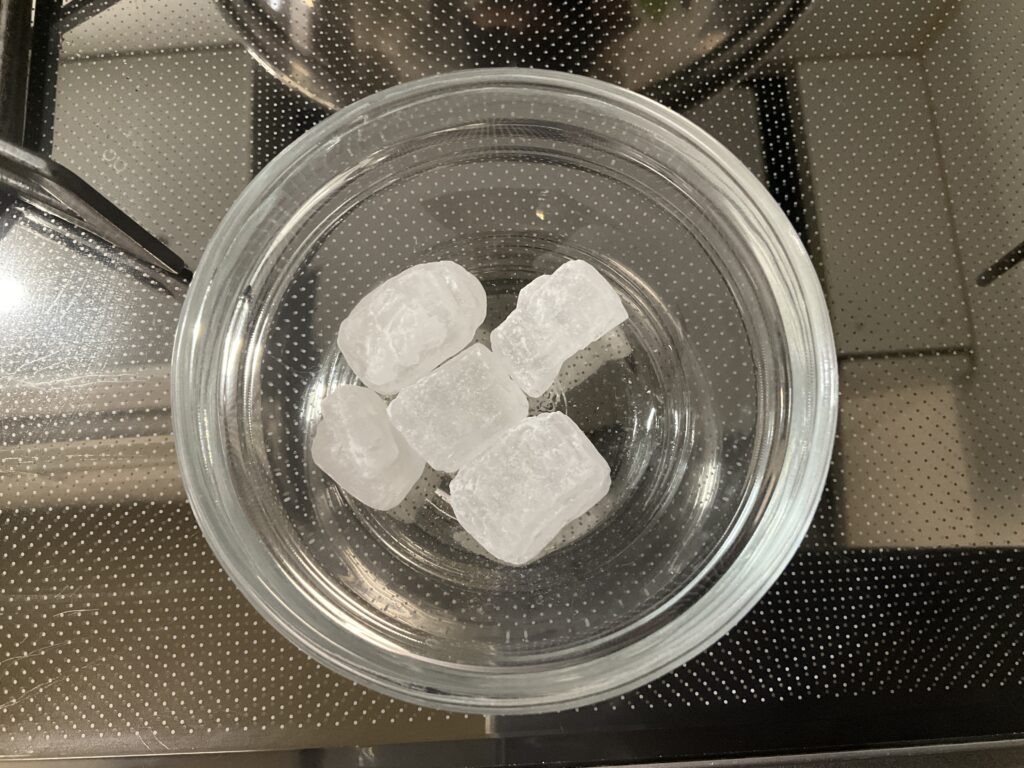
Koorizato (氷砂糖, rock sugar)
Koorizato (氷砂糖, rock sugar) is formed by slowly growing large, ice-like crystals over time. Because it takes longer to dissolve, it raises the sugar concentration gradually when steeping fruit in alcohol — which is exactly why it's the go-to choice for making fruit liqueurs like umeshu.
Wasanbon (和三盆)
Wasanbon (和三盆) is a pale yellow sugar made using a traditional Japanese method from sugarcane. The process includes a unique step called "togi" (研ぎ), where the juice is repeatedly worked by hand to remove impurities and excess syrup before water is added. The crystals end up extremely fine, giving it a delicate, melt-in-the-mouth quality — which is why it's reserved for high-end traditional Japanese sweets (wagashi).
Granulated Sugar vs. Jōhakutō — How Japan Uses Each One
Of course, granulated sugar is used in Japan too — just like everywhere else, it's the go-to for Western-style baking, coffee, and tea. But for everyday cooking, jōhakutō is what most Japanese households reach for. (Some people prefer sanonto or kibizato for cooking, but you rarely hear of anyone using granulated sugar for savoury dishes here.)
Because of this, jōhakutō is produced and distributed in far greater volume than granulated sugar in Japan — and as a result, it's actually cheaper than granulated sugar at most Japanese supermarkets.
※References