Making Umeshu — Japanese Plum Wine at Home
 Keiko
KeikoHave You Heard of Umeshu?
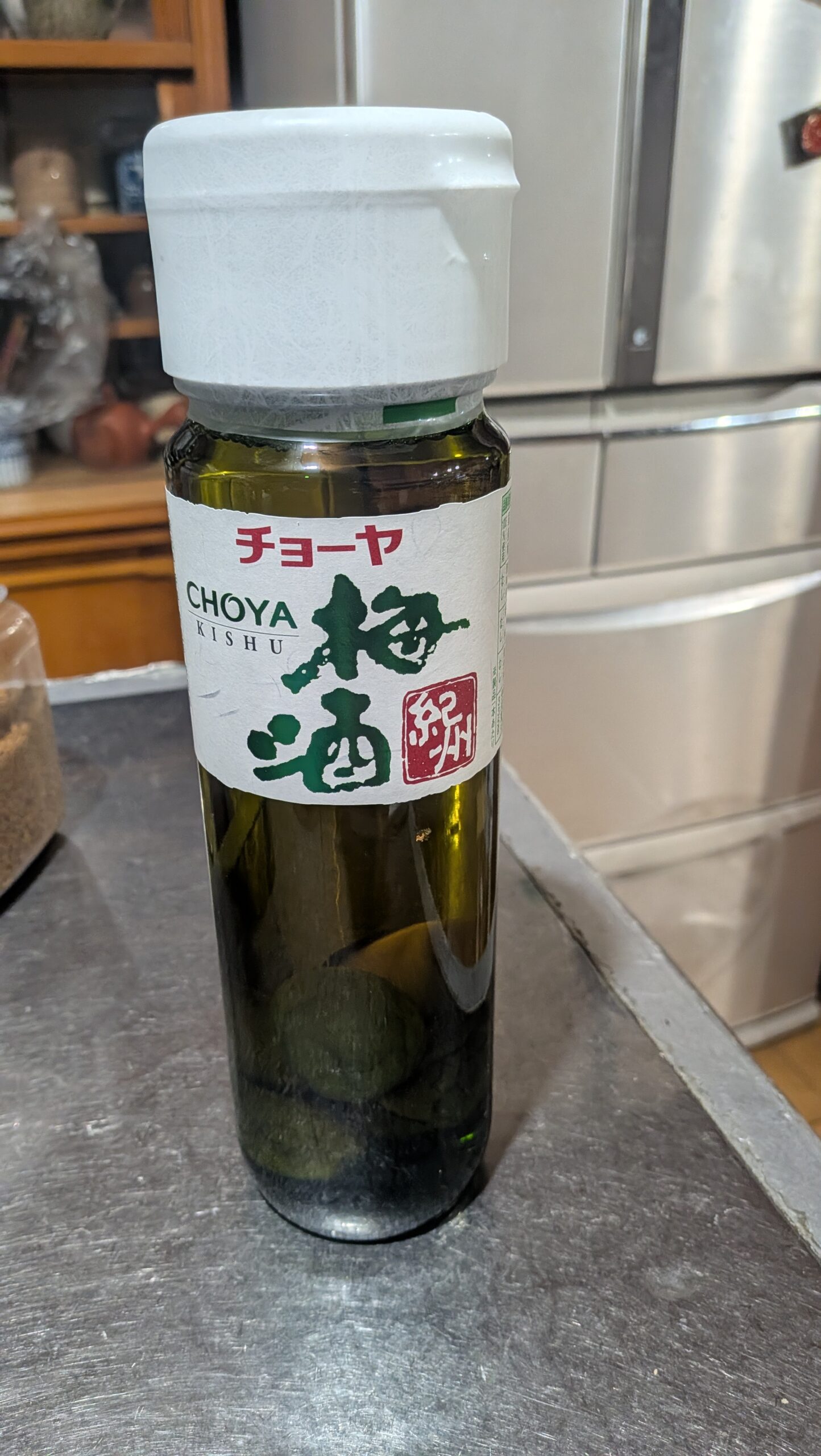
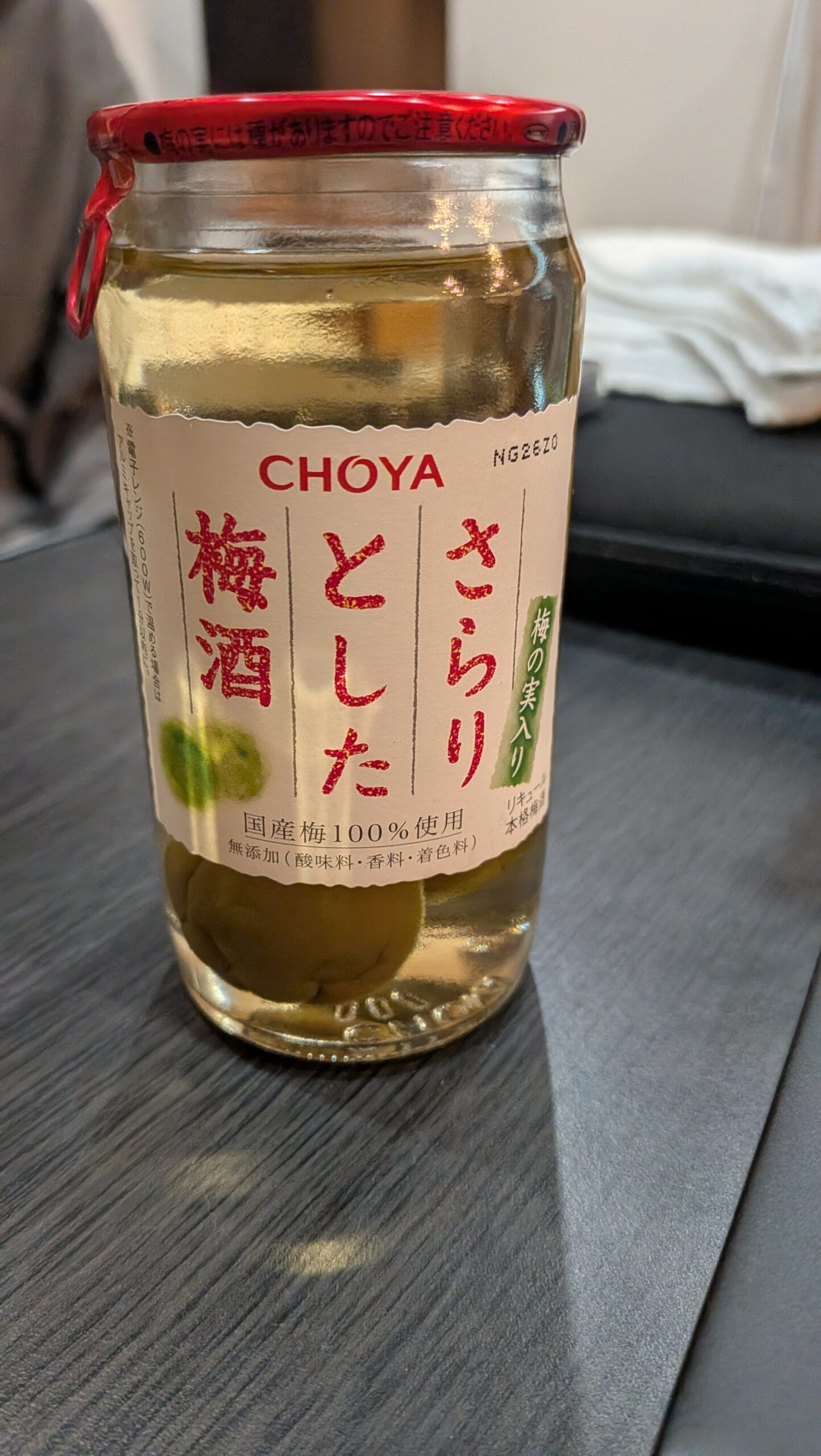
Do you know umeshu (梅酒)? It's a Japanese liqueur made by steeping ume plums in alcohol with sugar. If you've ever seen it on a shelf, the brand you've probably spotted is Choya — they're the most well-known commercial producer. But homemade umeshu is a whole different experience. You can drink it on the rocks, with sparkling water, or even with hot water. All three are delicious in their own way.
Ume Blossoms Come Before the Plums
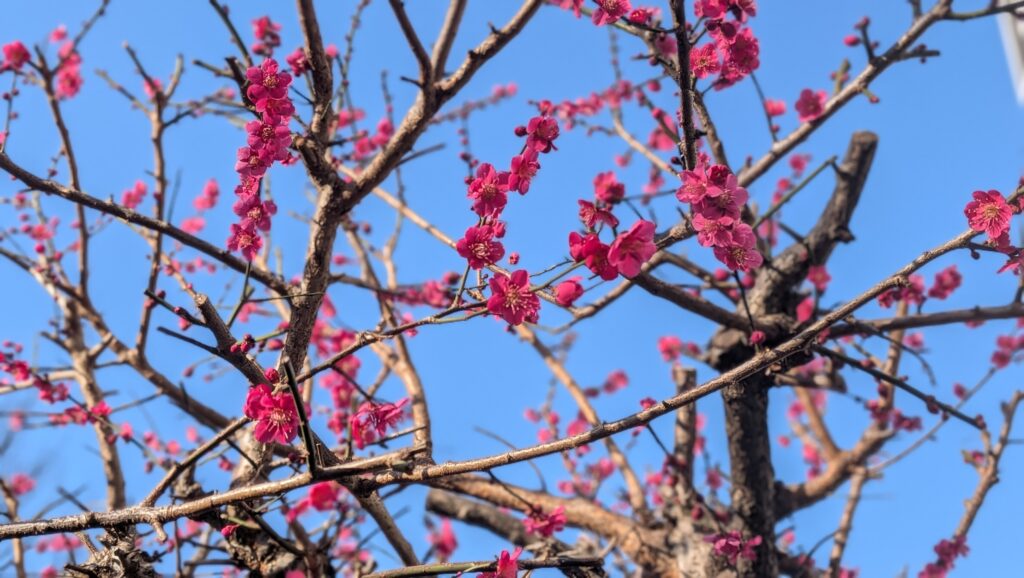
Before we get to the fruit, there are the flowers. Ume trees bloom from early February, putting out the sweetest little blossoms in white and deep pink. They come out even before the cherry blossoms, so in Japan they're really the first sign that spring is on its way.
Plum Season in Japan
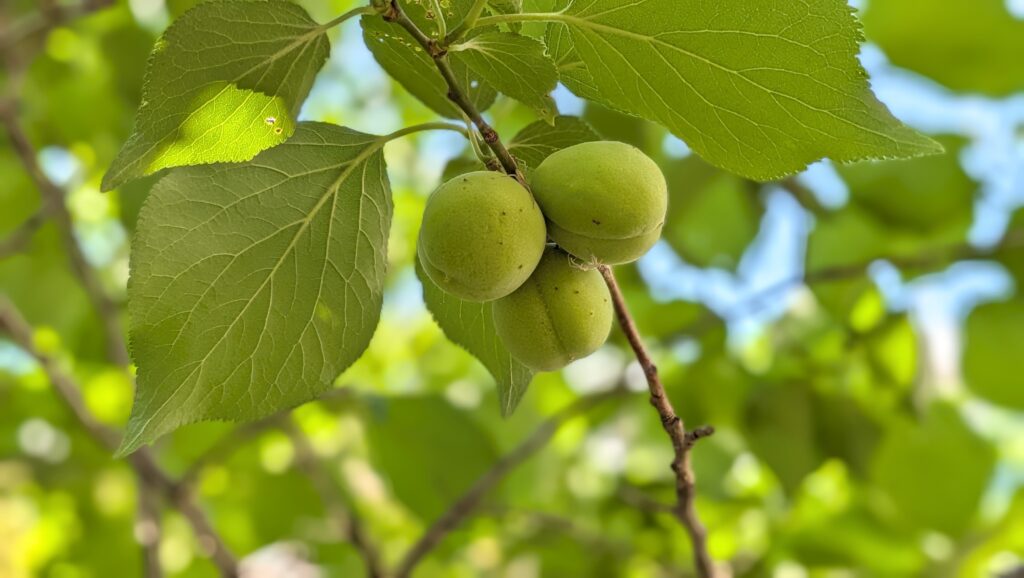
Then, from late May through early June, ume fruit starts appearing in supermarkets across Japan. They're sold while still green and unripe — this is called ao-ume (青梅), or green plum. Raw green ume actually contains a mild toxin, so you don't eat them as-is. Instead, they're used for umeshu, plum juice (梅ジュース), and similar preparations. Once the fruit ripens and yellows, it goes toward jam or umeboshi (pickled plums).
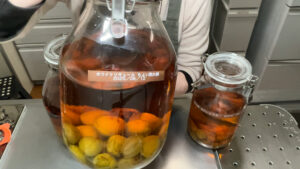
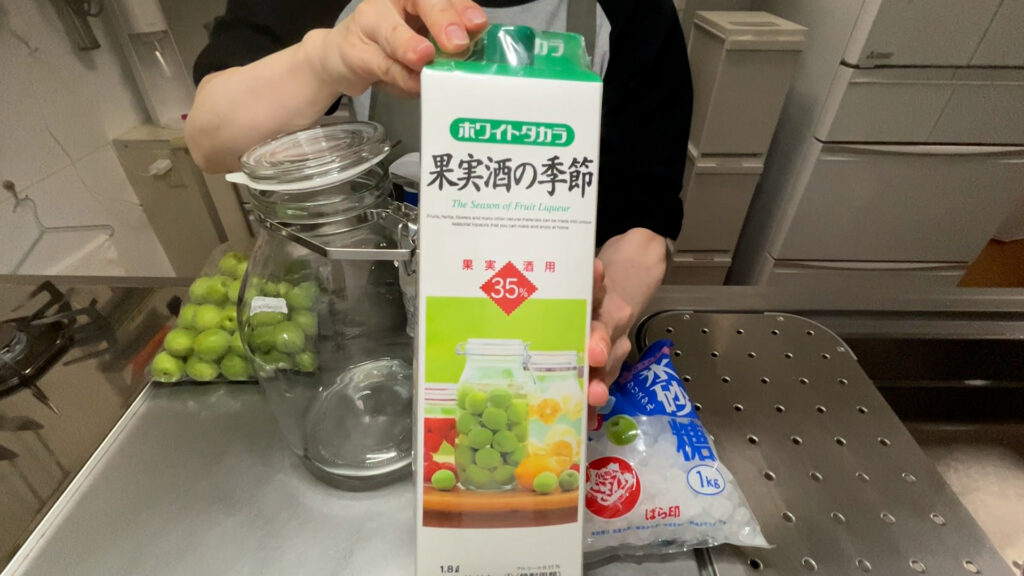
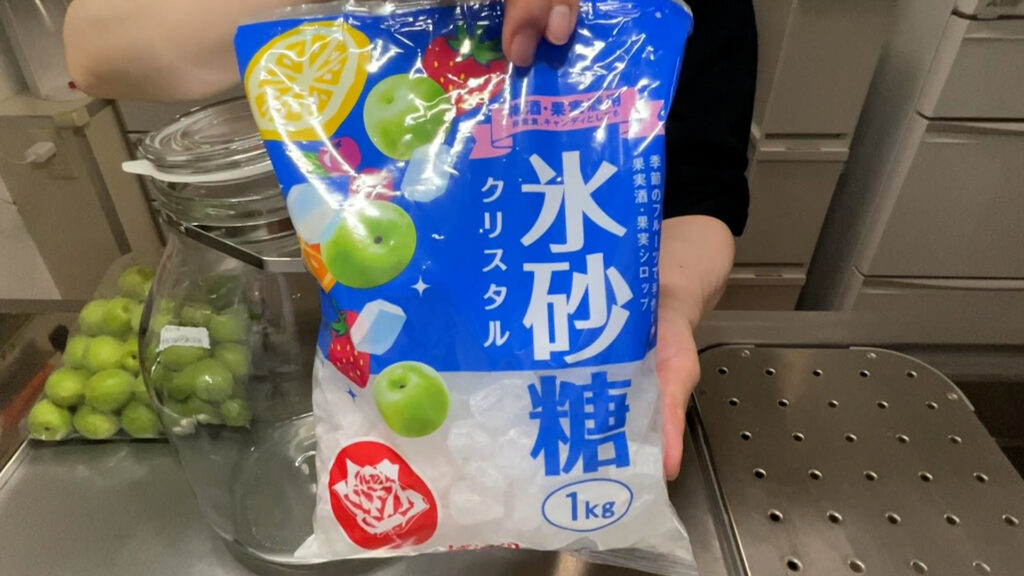
Every year when this season rolls around, I make a batch of umeshu. It really is simple — just three ingredients: green ume, rock sugar (氷砂糖), and white liqueur (ホワイトリカー).

A Note on Japanese Alcohol Laws
This might surprise you: in Japan, it's actually illegal to produce your own alcohol. Making any drink with 1% or more alcohol content requires an official liquor manufacturing license — something only businesses that meet strict government criteria can obtain.
That said, making umeshu at home the traditional way falls under a special exception in Japan's Liquor Tax Law, as long as you follow these conditions:
- It's for your own consumption only — not for sale or distribution
- The base alcohol is 20% ABV or higher, with liquor tax already paid
- You're not adding rice, wheat, grapes (including wild grapes), or similar fermentable ingredients
One thing worth knowing: using mirin or wine (both under 20% ABV) to make umeshu or sangria at home — even just for yourself — is actually considered unlicensed production and is technically illegal. So it's worth being careful there.
Why Rock Sugar?
Rock sugar (氷砂糖) is made from the same raw materials as granulated sugar — sugarcane or sugar beet — but it's refined to a much higher purity and allowed to grow slowly into large crystals.
The difference in taste is subtle but real:
- Granulated sugar dissolves almost instantly, giving a sharp, direct sweetness
- Rock sugar melts slowly and gradually, producing a rounder, cleaner, more refined sweetness
For umeshu, that slow dissolve actually matters. Here's what happens inside the jar:
- The alcohol seeps into the plum flesh
- The rock sugar dissolves slowly over time
- The difference in osmotic pressure draws the plum's natural juices out
Because rock sugar is so pure, it doesn't interfere with the ume's fresh, delicate aroma — the result is a clear, clean umeshu that really lets the plum shine through.
What About the Plums After Steeping?
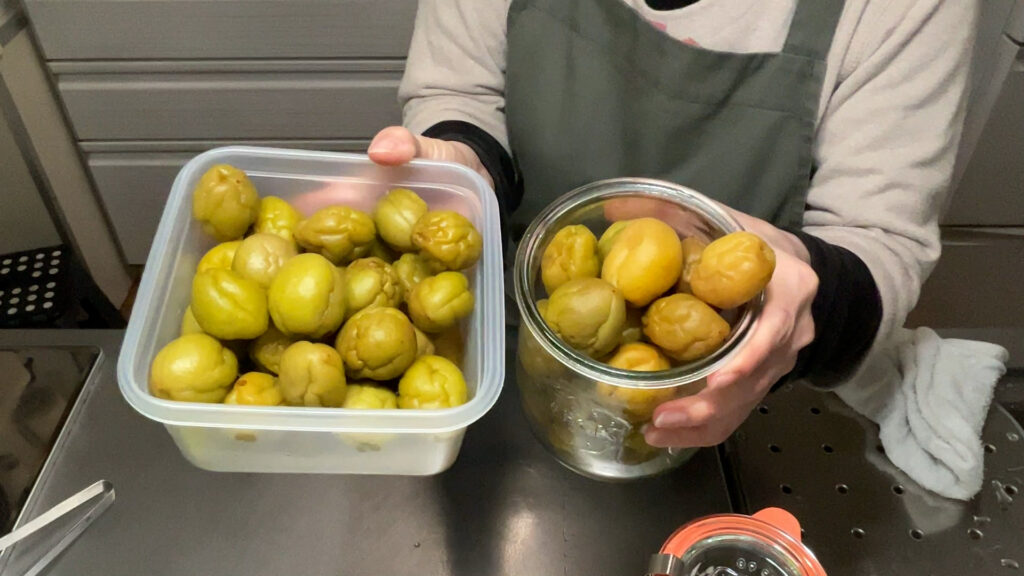
Oh, don't throw them away! The ume that come out after steeping have this lovely firm, slightly chewy texture and a deep, mellow flavour. Honestly, eating those plums is one of my favourite parts of the whole process. I look forward to it every year.
Choosing Your Liqueur
Around this time of year, Japanese supermarkets line their shelves with 1.8-litre bottles of white liqueur (ホワイトリカー) right alongside bags of rock sugar — it's basically a seasonal display. White liqueur is the classic choice, but these days some people use Japanese sake or brandy instead. I've tried both, and they're lovely in their own way. But if I'm being honest, white liqueur is the one that lets the ume flavour really come through cleanly. (One personal note: I wouldn't recommend using gin — just my experience.)
I'll share the full step-by-step recipe in my next post — stay tuned!