How to Make Crispy Tempura at Home with Tempura Flour
 Keiko
Keiko- Crispy Tempura at Home — Made Easy
The Secret Ingredient for Restaurant-Style Tempura - How to Make Tempura with Tempura Flour
Crispy Tempura at Home — Made Easy
The Secret Ingredient for Restaurant-Style Tempura
Have you ever had tempura at a Japanese restaurant? That light, crispy coating is honestly one of my favourite things about Japanese food. Traditionally, tempura batter is made from scratch with flour, egg, and ice water — but getting that texture right at home is trickier than it sounds. More often than not, homemade tempura ends up soggy instead of crisp.
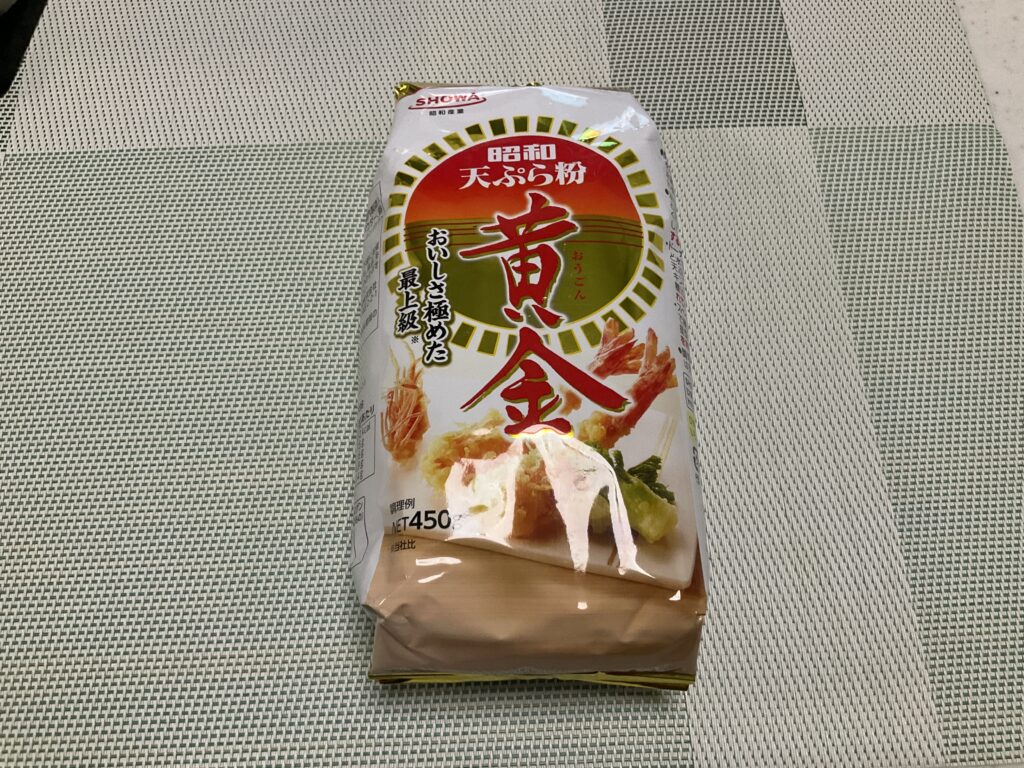
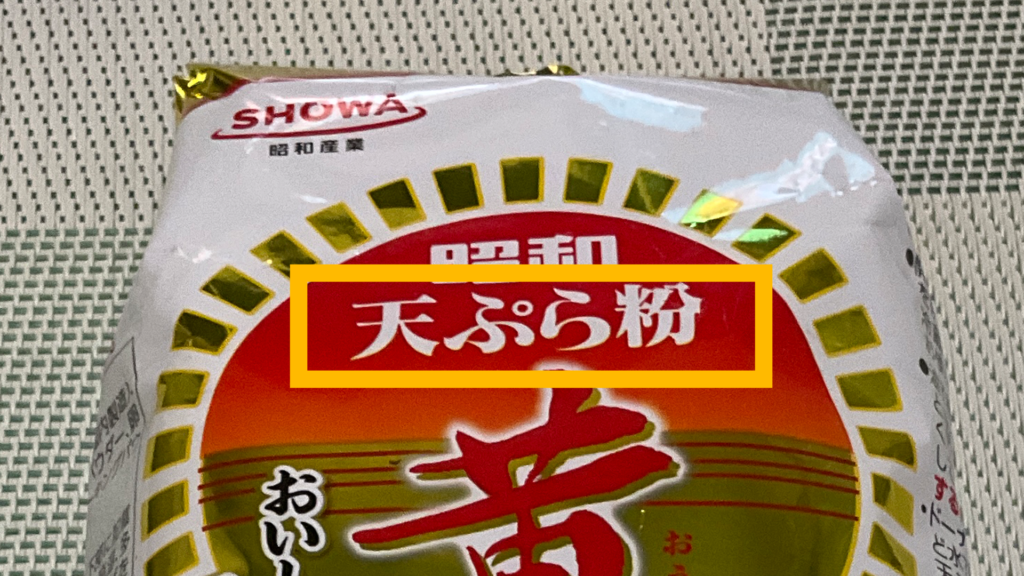
The good news is, there's a simple solution that makes crispy tempura genuinely achievable at home: tempura flour (天ぷら粉 / tenpura-ko). Several Japanese brands make their own version, and with most of them, all you need is water and this one product to get that satisfying crunch.
How to Make Tempura with Tempura Flour
1. Prepare your ingredients
Classic choices include potato, eggplant, onion, and shrimp — really, almost any vegetable or seafood works. Just be careful with ingredients that have a high water content, since they tend to cause more oil splatter. Cut everything into pieces small enough to cook through evenly.
2. Prepare the frying oil
If you're using a frying pan, aim for about 3cm of oil depth for the crispiest results. If you're watching your calorie intake, you can shallow-fry with just around 1cm of oil instead — it still works well.
Heat the oil to around 170°C (338°F), then add your ingredients. My own stove has a built-in temperature setting, which makes this easy.
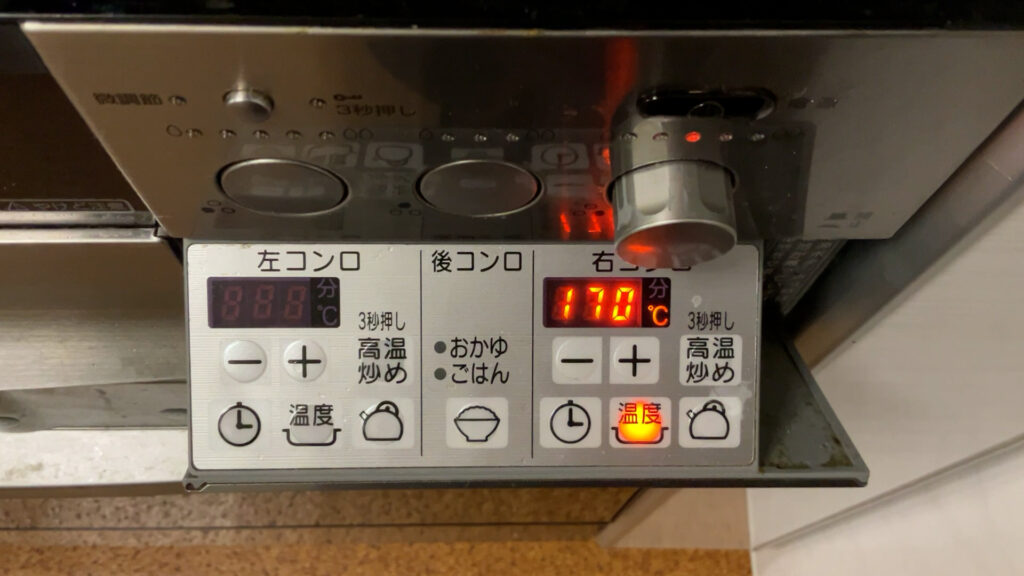
If yours doesn't, here's a simple trick: drop a bit of batter into the oil. If it sinks and then rises back up quickly, the oil is around 160°C. If it barely touches the bottom before rising, it's closer to 170°C.
3. Make the batter
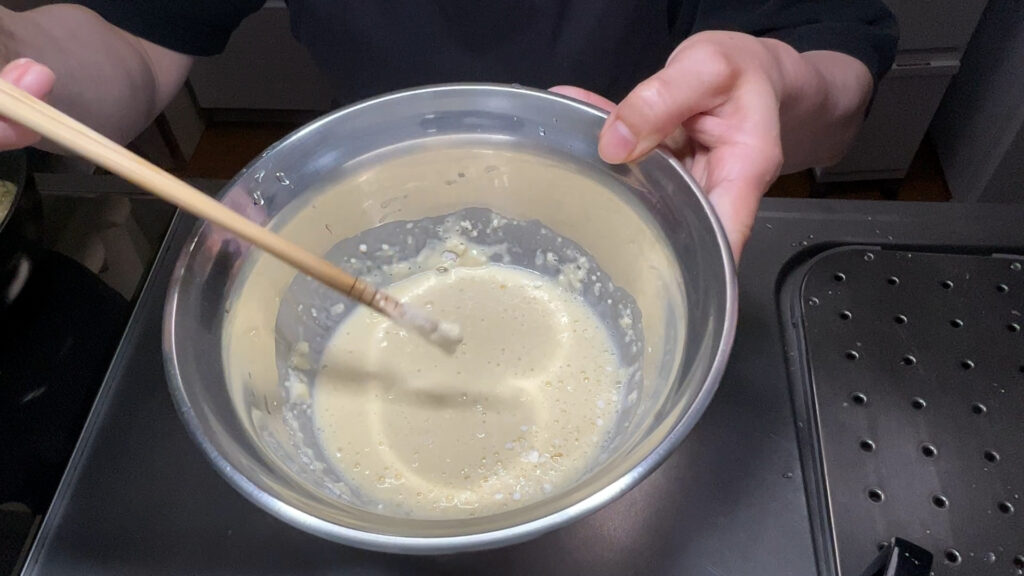
In a bowl, combine water and tempura flour, and mix gently. The correct ratio is almost always printed right on the package — it varies a bit by brand, so it's worth checking each time. Mix only until just combined; a few flour streaks are totally fine. Overmixing develops gluten, which is exactly what stops your tempura from turning out crispy.
4. Fry
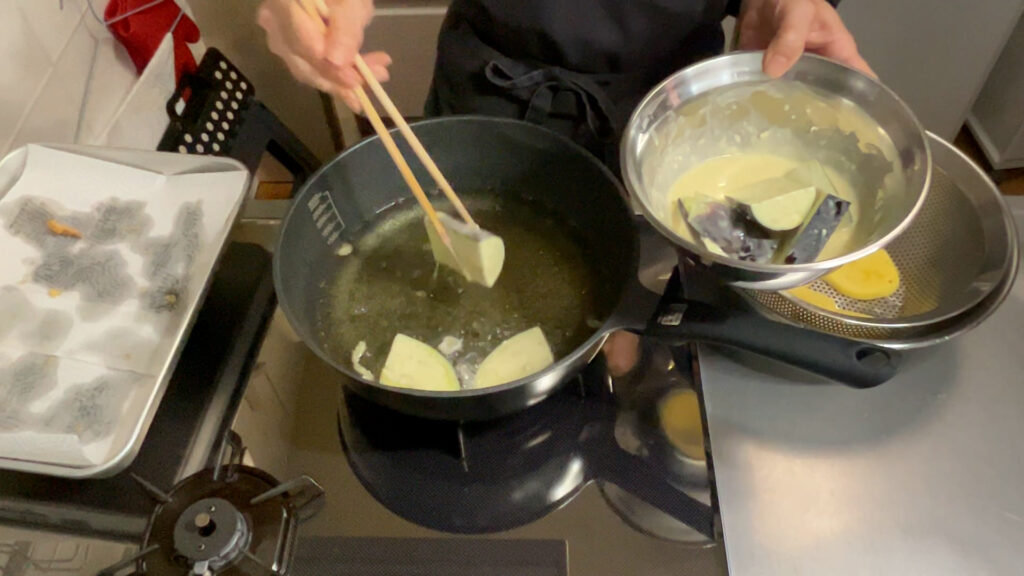
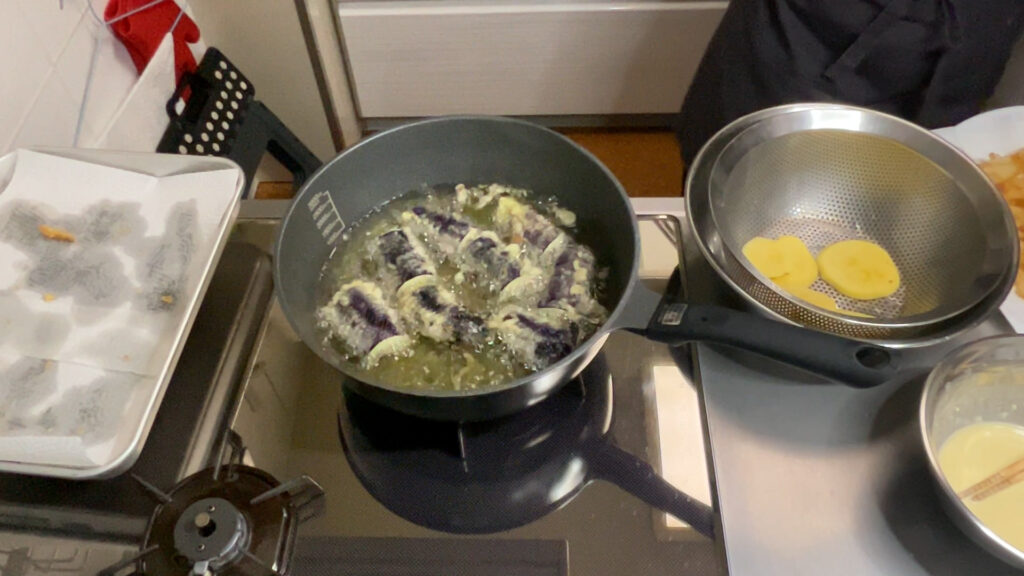
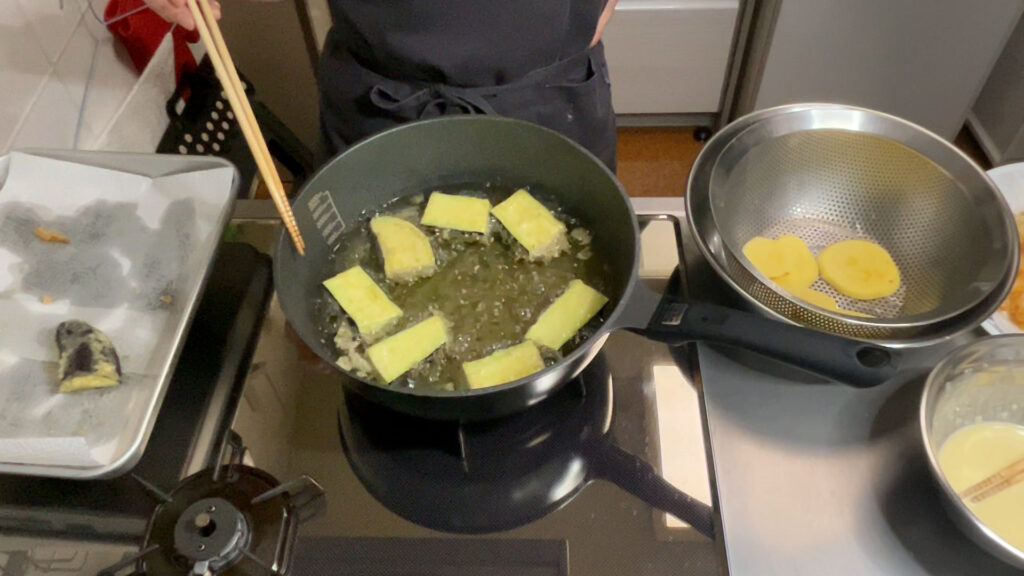
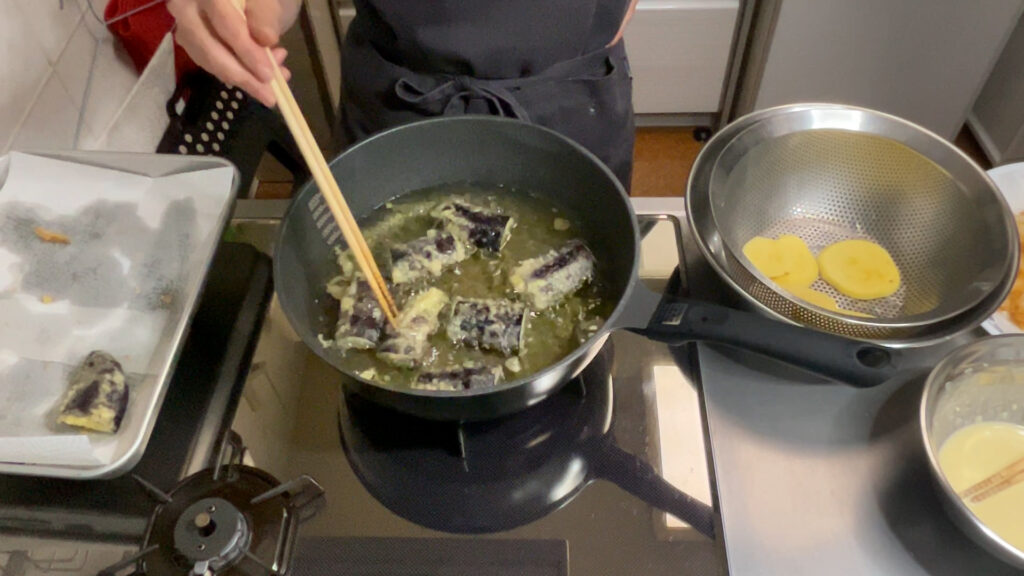
Dip your ingredients into the batter, then lower them into the hot oil. After about 1–2 minutes, once the bottom side turns crisp, flip it over. Once the other side crisps up too, you can flip it again if needed. When the bubbles around the tempura become small and start to settle down, that's your sign it's done.
5. Serve
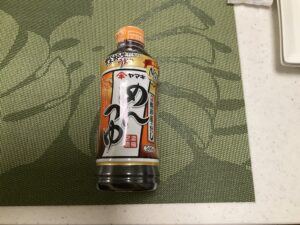
Tempura batter itself isn't seasoned, so it's really about how you finish it. A pinch of good-quality salt works beautifully, or you can dip it in mentsuyu — the all-purpose seasoning I introduced in an earlier post — for a lighter, more refreshing way to eat it.

Once you've got the batter ratio down and resist the urge to overmix, homemade tempura really isn't as intimidating as it looks. Give it a try — it's one of those dishes that feels a lot more impressive than the effort it actually takes.
This channel is run by a Japanese woman living in Japan, sharing a look at everyday Japanese food and culture. I hope it gives you some fun souvenir ideas and a few useful tips for everyday life along the way.
References: