
What Japanese Expats Miss Most — Plastic Wrap
 Keiko
Keiko- Does Your Country Have Plastic Wrap Too?
- What Makes Japanese Plastic Wrap Different
- Two Leading Brands
Does Your Country Have Plastic Wrap Too?
Plastic wrap exists in plenty of countries around the world — it's a pretty universal kitchen item. But here's something that might surprise you: plastic wrap is actually one of the things Japanese people living abroad end up missing the most. There are many types of plastic wrap out there, but the kind commonly used in Japan has some genuinely distinctive qualities you won't find in most other countries.
Let me walk you through what makes it different.
What Makes Japanese Plastic Wrap Different
1. It actually clings.
When you cover a dish of food with Japanese plastic wrap, it seals tightly against the surface of the container. This keeps food from drying out, protects it from dust, and stops liquids from spilling. It also helps preserve freshness and prevents smells from transferring between foods in the fridge — something that matters a lot when you're storing several dishes at once.
2. It handles everything from the freezer to the microwave.
You can wrap vegetables directly in it and microwave them to cook through. You can also wrap food for freezer storage and then pop it straight into the microwave to reheat, wrap and all — no need to switch containers in between.
3. It cuts cleanly, every single time.
The dispenser box has a built-in cutting blade, so you can tear off a clean sheet with one smooth motion. Plastic wrap has been around for a long time, but Japanese manufacturers are still, even now, refining the sharpness and design of that cutting edge — it's clearly something companies take seriously.
Two Leading Brands
The two most well-known brands that deliver on all of the above are:
- Saran Wrap, made by Asahi Kasei Corporation
- New Krewrap, made by Kureha Corporation
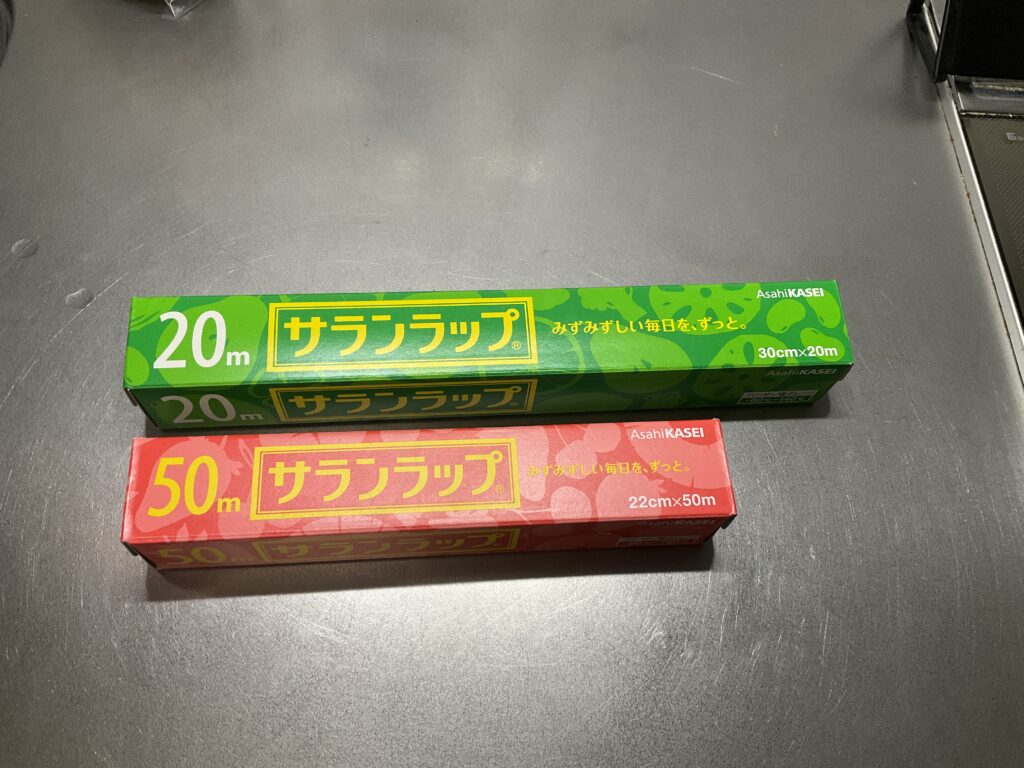
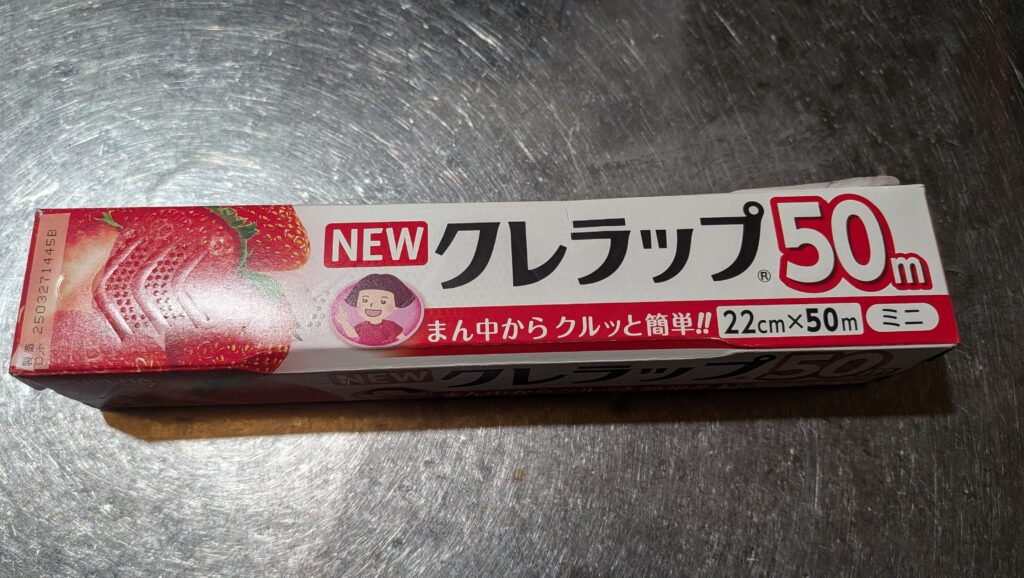

There are small differences between them — the shape of the cutting blade, the thickness and flexibility of the wrap itself — but functionally, both perform in a very similar way.
Honestly, I think this would make a fun and genuinely useful souvenir from Japan. You'll find it at any supermarket, and it's worth trying at least once — you might just understand what all the fuss is about.