We Live in Two Places — Life Between Hokkaido and Kanagawa
 Keiko
Keiko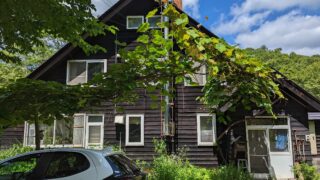
- We Live in Two Places — Life Between Hokkaido and Kanagawa
- How We Got Started with Dual-Base Living
- Our Second Base: A House in the Hokkaido Mountains
- What Life at the Hokkaido House Actually Looks Like
- Life Back in Kanagawa
We Live in Two Places — Life Between Hokkaido and Kanagawa
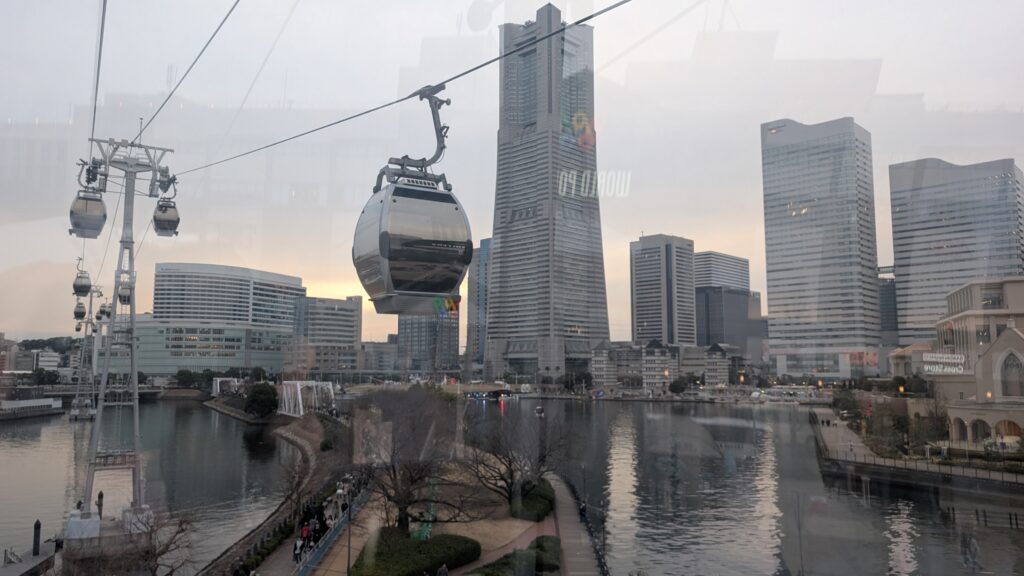
My husband and I split our time between two homes: one in Yokohama, Kanagawa, and one in Hokkaido. From spring through autumn, we go back and forth between these two very different worlds. It's a lifestyle called dual-base living (二拠点生活 / nikkyoten seikatsu) in Japan, and honestly, it's nothing like what most people picture when they think of a typical Japanese couple in their 50s.
How We Got Started with Dual-Base Living
If you know Japan at all, you've probably heard of Golden Week — a cluster of national holidays at the end of April and beginning of May, lasting about a week to ten days. It's one of the biggest travel seasons in Japan. Roads get jammed, trains and buses are packed, and prices for everything shoot up. It's a bit of a nightmare, honestly.
On top of that, the Niseko area of Hokkaido — where our second home is — often still has snow on the ground through late April. The house sits in a pretty remote spot, and we literally can't get in until the snow melts enough to reach it. So we always wait until after Golden Week to make our move north. It just makes more sense that way.
Our Second Base: A House in the Hokkaido Mountains
The Hokkaido home is my husband's family home — his parents' house — but no one lives there year-round now. It's been standing for over 20 years and sits in a designated heavy-snowfall zone, which means leaving it empty for half the year is... a serious undertaking.
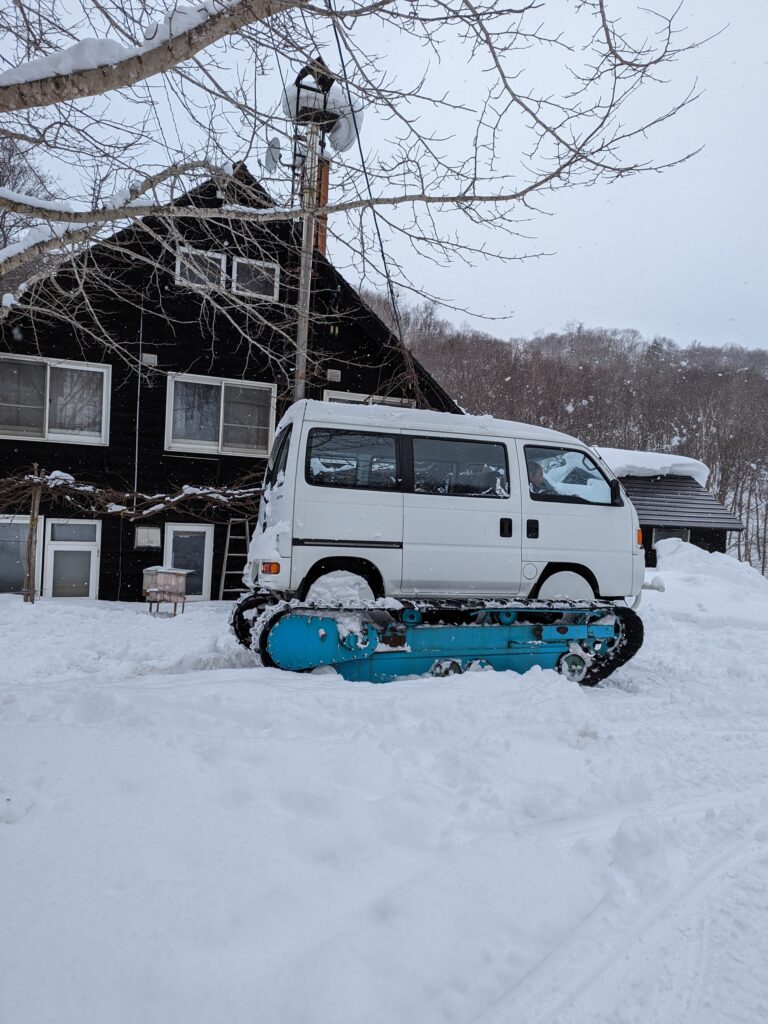
Temperatures drop well below freezing in winter, so all the water pipes have to be fully drained before we leave each autumn. We have a professional plumber come in with a compressor to blow out every drop of water from the lines. And the snow? We're talking at least 1.5 meters accumulating every winter without fail.
The house doesn't connect directly to a public road, so the local municipal snowplows can't reach it. For years, getting to the house in winter meant hopping on a snowmobile from the neighbors' place. That's just... how it was.
It sounds extreme, I know. And it is. But there's a stream that runs through the property, and the stillness of the mountains is something you really can't find in Yokohama. It's the complete opposite of city life, and I find myself genuinely loving that contrast.
What Life at the Hokkaido House Actually Looks Like
Every spring when we arrive and turn the water back on, something is almost always broken. A worn-out washer here, a leaking joint there — after six months of a Hokkaido winter, the pipes take a beating. Repairs are just part of the routine now.
Bugs find their way inside no matter what — even with the custom insulated window frames my father-in-law built by hand. The property is large and deep in the mountains, so we're constantly dealing with insects and wildlife too. It's a real negotiation with nature.
And if you let your guard down even for a season, the land will swallow the place. The grass and weeds grow fast, and an old building in that kind of environment deteriorates quickly. So a lot of our time there goes into grass cutting, clearing the grounds, and just keeping things from falling apart. It's work — but it's meaningful work.
Life Back in Kanagawa
Our main base is in Yokohama, Kanagawa. This is where we officially live, and where we spend the colder months. My husband and I are both freelancers who work from home, so day-to-day life here is pretty low-key. We're homebodies by nature, honestly.
If any of this sounds familiar — or completely wild — I'd love to hear from you. This is just our version of everyday life, and I hope it gives you a peek into a kind of lifestyle you might not have imagined.