
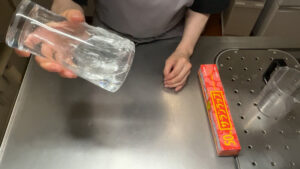
What Japanese Expats Miss Most — Plastic Wrap
Does Your Country Have Plastic Wrap Too? Plastic wrap exists in plenty of countries around the world — it's a pretty universal kitchen item. But here's something that might surprise you: plastic wrap is actually one of the things Japanese people living abroad end up missing the most. There are many types of plastic wrap […]

Bath-Cleaning Slippers — A Uniquely Japanese Household Item
Why the Japanese Take Their Shoes Off Indoors If you've ever visited a Japanese home, you'll know the first thing you do is take your shoes off at the entrance. This custom goes back a long way, and there are actually a few reasons behind it: Slippers Actually Originated in Japan Out of this shoes-off […]
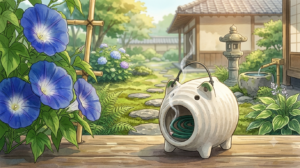
Mosquito Protection in Japan — Old Traditions and Modern Must-Haves
Summer in Japan means one thing you can always count on: mosquitoes. Over the years, Japan has developed its own particular culture around keeping them at bay — some of it charmingly old-fashioned, some of it seriously effective modern science. Let me walk you through both. 1.Traditional Mosquito Repellents 1-1.The Ceramic Pig — Kayari-buta (蚊やり豚) […]
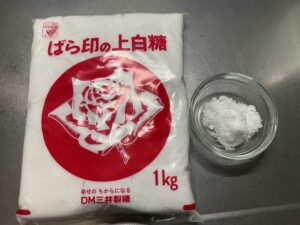
The Sugar You'll Find in a Japanese Kitchen
If you ask most people around the world what sugar they reach for at home, the answer is usually granulated sugar. But here in Japan, that's actually not the case. The sugar you'll find in nearly every Japanese kitchen is something called jōhakutō (上白糖), and there are quite a few other types too. Let me […]

Annual Vehicle Tax (自動車税) in Japan
This is a tax you pay every year, and it's one of the biggest financial advantages of kei cars. While regular cars are taxed based on engine displacement — ranging from ¥25,000 to ¥110,000 per year — kei cars have a flat rate. Here are the rates as of 2026: Kei cars Type Standard rate […]

Kei Cars — Japan's Beloved Mini Vehicles
Have you heard of kei cars (軽自動車 / keijidōsha)? They've been getting some attention overseas lately, and I think they deserve it. Let me give you a proper introduction to what they are, who drives them, and why they make so much sense in Japan. What Exactly Is a Kei Car? To officially qualify as […]
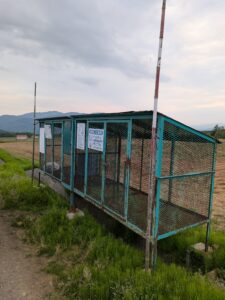
Comparing Four Areas I Know Well (as of 2026)
Here's a side-by-side look at the rules in four places that are personally significant to me. Setagaya, Tokyo1 Categories: burnable waste, non-burnable waste, recyclables, PET bottles, large/bulky waste Burnable: food waste, cooking oil, clothing, rubber/leather, hygiene products, paper, plastics Non-burnable: glass, ceramics, blades, spray cans, gas canisters, lighters Recyclables: used paper, glass bottles, cans Pickup […]
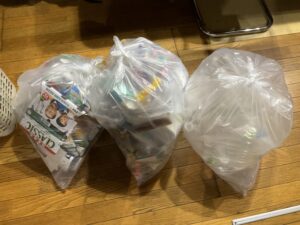
Garbage Sorting in Japan — It's Even More Complicated Than You Think
Today I want to talk about something that trips up almost everyone living in Japan: garbage sorting (ゴミの分別 / gomi no bunbetsu). It's often said that Japan's waste separation rules are incredibly detailed — and I know other countries have their own strict systems too. But let me walk you through what it actually looks […]
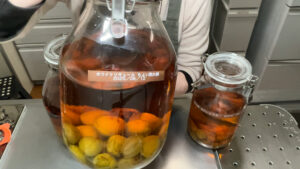
How to Make Umeshu (Japanese Plum Wine)
Making umeshu at home is really straightforward. Here's everything you need. Homemade Umeshu (Japanese Plum Wine) A classic Japanese recipe with just three ingredients. The hardest part is waiting! 【Ingredients】 【step】 Can you swap rock sugar for granulated sugar? Technically yes, but I wouldn't recommend it. Granulated sugar dissolves too quickly, which causes the plum's […]
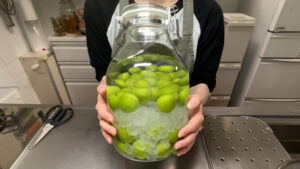
Making Umeshu — Japanese Plum Wine at Home
Have You Heard of Umeshu? Do you know umeshu (梅酒)? It's a Japanese liqueur made by steeping ume plums in alcohol with sugar. If you've ever seen it on a shelf, the brand you've probably spotted is Choya — they're the most well-known commercial producer. But homemade umeshu is a whole different experience. You can […]